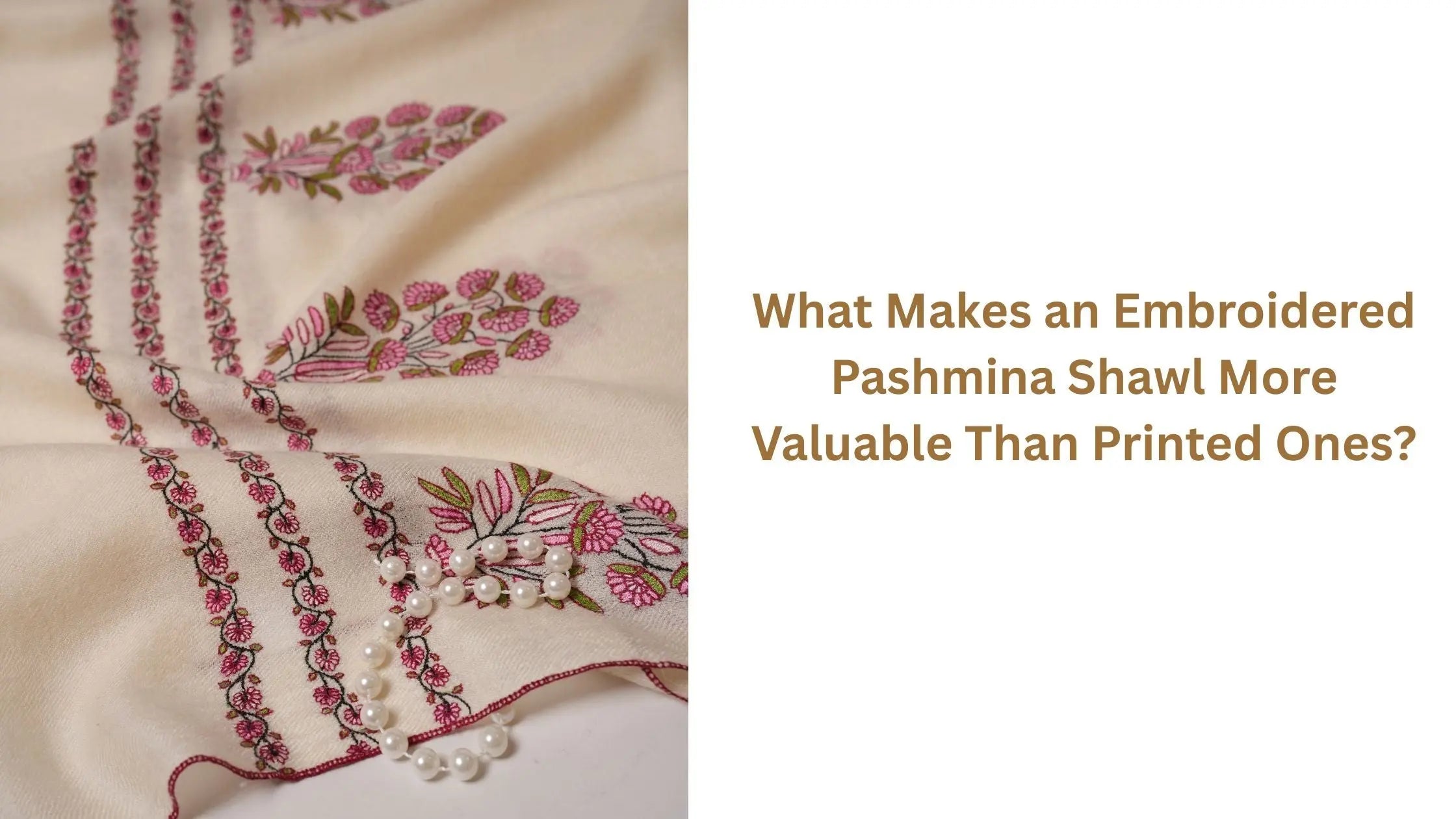
What Makes an Embroidered Pashmina Shawl More Valuable Than Printed Ones?
When it comes to buying a pashmina, choosing an embroidered one over a printed one can ensure you get a shawl that lasts longer and feels more luxurious. Hand-embroidered shawls are made with care, skill, and attention to detail, which makes them stand out from machine-printed pieces.
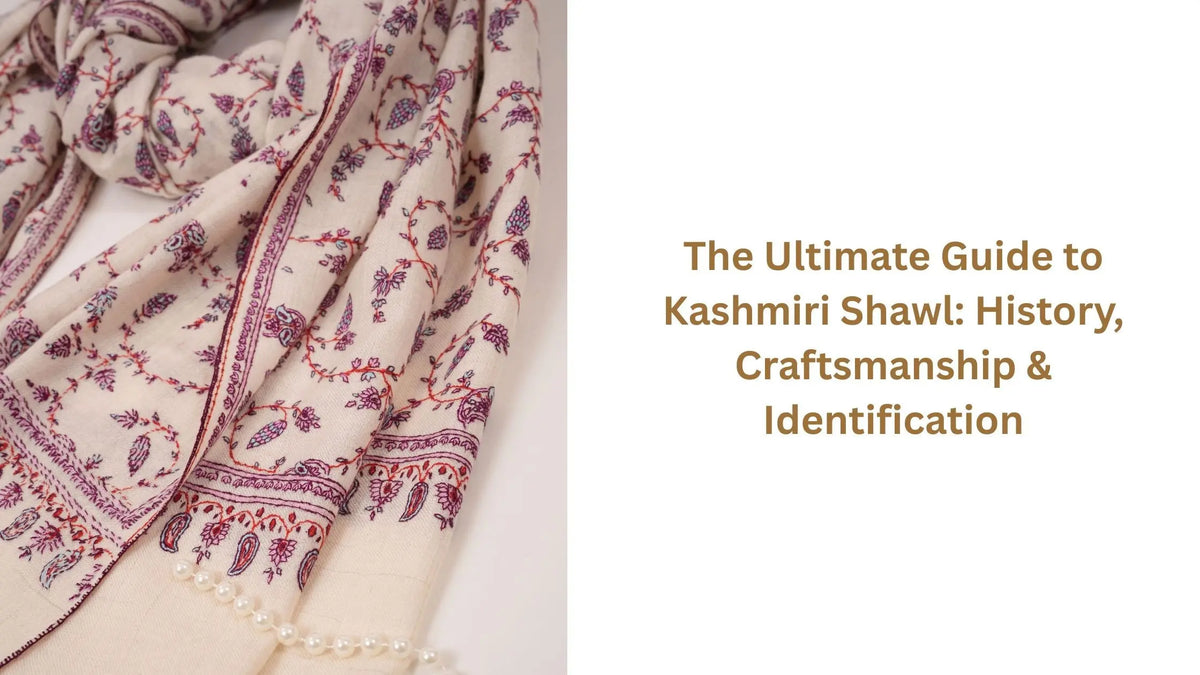
Each stitch is placed by an artisan, often taking hours or even days to complete a single design. Printed shawls may look appealing, but they lack the depth and texture that hand embroidery provides. Even though many stores sell different types of Kashmiri embroidered shawls , it is important to select authentic hand-embroidered pieces so you can invest in a shawl that truly lasts.
By choosing hand embroidery, you support skilled artisans and gain a shawl that offers unmatched craftsmanship, elegance and long-term value.
5 Reasons Why Embroidered Pashmina Shawls Are More Valuable Than Printed Ones
Unlike printed pashmina shawls, embroidered ones offer a level of depth and detail that machines cannot replicate. Furthermore, each design is created by skilled artisans, who carefully stitch patterns that add texture, dimension and personality to the fabric. This makes every embroidered shawl unique, with its own subtle variations and charm.
Hand embroidery also enhances the overall feel of the shawl. The raised threads and intricate patterns create a tactile experience that printed designs cannot match. Over time, embroidery tends to maintain its look, while printed designs may fade or wear unevenly.
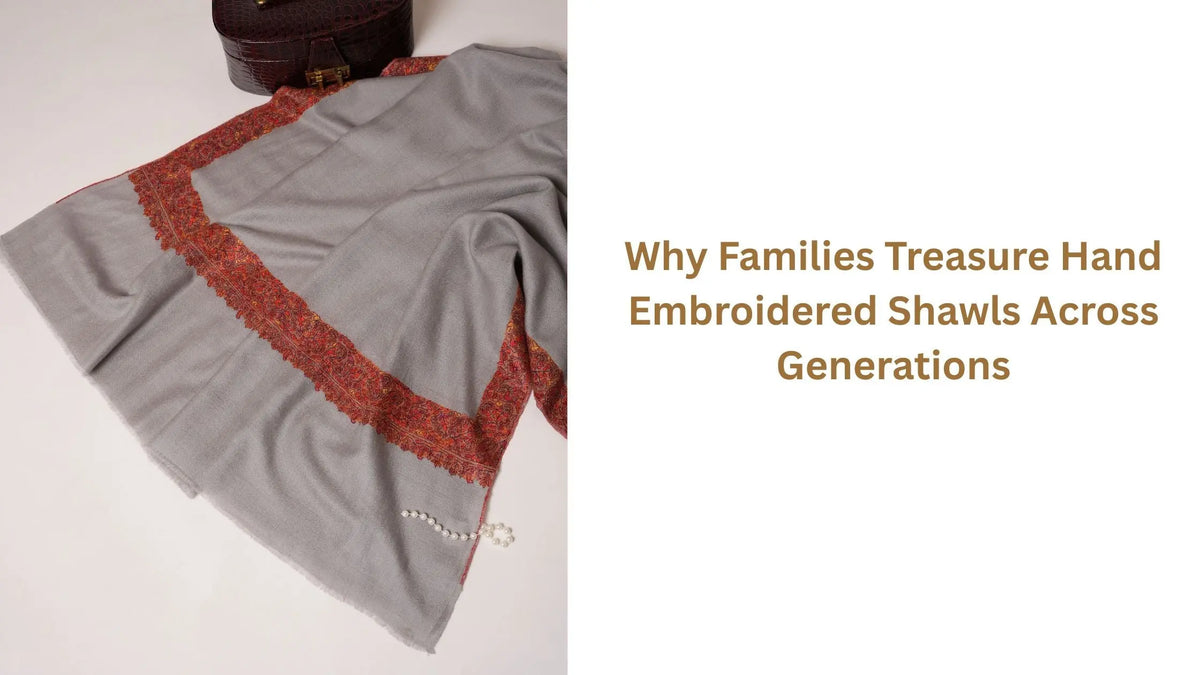
Beyond appearance and durability, embroidered Pashmina shawls carry cultural as well as artistic significance. Embroidered Kashmiri shawls reflect traditional techniques and regional styles that have been passed down through generations. Owning one is not just about style; it is about appreciating craftsmanship, heritage, and quality that stands the test of time.
Here are five reasons why embroidered shawls are more valuable than printed ones.
Superior Handcrafted Detail
When compared to a printed Pashmina shawl, an embroidered Pashmina shawl features detailed hand stitching worked directly into the fabric, creating depth as well as style that printing cannot achieve.
-
Intricate design execution: An embroidered Pashmina shawl displays precise stitch work, while a printed Pashmina shawl relies on surface-applied designs that remain flat.
-
Consistent design clarity: In an embroidered Pashmina shawl, patterns stay visually distinct as well as balanced, whereas a printed Pashmina shawl may appear less defined on soft Pashmina.
-
Stronger styling adaptability: An embroidered Pashmina shawl offers varied visual impact when worn in different ways, while a printed Pashmina shawl delivers a single, fixed look.
By integrating hand stitching into the fabric itself, an embroidered Pashmina shawl delivers depth, clarity, and styling flexibility that a printed Pashmina shawl cannot replicate, making it a more visually engaging and enduring choice.
Longer Design Durability
Since embroidered Pashmina shawls have stitching worked directly into the fabric, they retain their design quality longer than printed Pashmina shawls.
-
Design longevity: Over time, embroidered Pashmina shawls keep their stitched details intact, while printed Pashmina shawls are more likely to show fading with regular wear.
-
Resistance to surface wear: With repeated folding as well as handling, embroidered Pashmina shawls maintain visual clarity, whereas printed Pashmina shawls can gradually lose definition.
-
Consistent visual appearance: Across the fabric, embroidered Pashmina shawls remain even in look, while printed Pashmina shawls may develop uneven wear patterns.
This difference in durability at the design level makes embroidered Pashmina shawls more reliable than printed Pashmina shawls for long-term use.
Richer Visual Texture
Unlike a printed Pashmina shawl, an embroidered Pashmina shawl introduces subtle surface variation through stitched detailing, creating a more visually layered appearance.
-
Surface depth: Raised stitching on an embroidered Pashmina shawl adds gentle dimension, while a printed Pashmina shawl stays flat.
-
Visual dimension: The stitching in an embroidered Pashmina shawl adds depth and texture, while a printed Pashmina shawl relies only on flat colors.
-
Light interaction: An embroidered Pashmina shawl catches light at different angles, whereas a printed Pashmina shawl reflects light evenly.
This layered surface quality makes embroidered Pashmina shawls visually richer than printed Pashmina shawls.
Better Long-Term Worth
In terms of long-term value, an embroidered Pashmina shawl holds its appeal longer than a printed Pashmina shawl, as its stitched design remains relevant as well as visually intact over time.
-
Value retention: Even with continued use, an embroidered Pashmina shawl maintains its appeal, whereas a printed Pashmina shawl can appear less attractive as designs fade.
-
Continued usability: With proper care, an embroidered Pashmina shawl remains suitable for repeated use, while a printed Pashmina shawl may appear dated sooner.
-
Reduced replacement need: Thanks to its lasting craftsmanship, an embroidered Pashmina shawl stays beautiful over time, whereas a printed Pashmina shawl can fade or deteriorate very quickly.
This lasting relevance allows embroidered Pashmina shawls to offer stronger long-term worth than printed Pashmina shawls.
Balanced Weight Distribution
Because an embroidered Pashmina shawl features stitching in select areas, it distributes weight more evenly than a printed Pashmina shawl.
-
Controlled fabric movement: With weight concentrated in specific sections, Kashmiri embroidered shawls settle naturally, whereas printed Pashmina shawls can feel less anchored.
-
Improved drape stability: The design as well as weight of an embroidered Pashmina shawl keep it sitting perfectly when worn, while a printed Pashmina shawl often lacks this effortless stability.
-
Comfort during wear: Despite added stitching, an embroidered Pashmina shawl remains comfortable, while a printed Pashmina shawl relies only on the fabric’s natural weight.
This even weight distribution allows embroidered Pashmina shawls to drape more securely than printed Pashmina shawls.
How Embroidered and Printed Pashmina Shawls Compare in Daily Use
Beyond visual appeal, embroidered and printed Pashmina shawls behave differently when worn regularly. Everyday handling, storage, and styling can influence how each type feels over time.
The table below highlights how each performs in daily use.
|
Aspect |
Embroidered Pashmina Shawl |
Printed Pashmina Shawl |
|
Look After Repeated Folding |
Design remains visually intentional even after frequent folding |
Printed areas can look fragmented when folded |
|
Adaptability to Different Draping Styles |
Appears different with each drape, offering visual variation |
Looks largely the same regardless of how it’s worn |
|
Season-to-Season Carryover |
Subtle shifts in light enhance the overall look |
Changes in light have minimal effect |
|
Storage Aging |
Maintains a consistent appearance when stored for long periods |
Prints can show visible dullness after storage |
|
Perceived Effort in Styling |
Requires minimal styling to look complete |
Needs careful outfit pairing to avoid looking busy |
Conclusion
Embroidered Pashmina shawls offer lasting depth, elegance and resilience that printed Pashmina shawls cannot match. The hand-stitched designs maintain their clarity as well as drape beautifully over time, enhancing any outfit effortlessly. Printed Pashmina shawls, while appealing at first, often lose their impact, making embroidered pieces a wiser, long-term choice.
Are you looking for authentic, luxurious Pashmina shawls that combine timeless craftsmanship with lasting elegance? Shahkaar offers a curated collection of embroidered Pashmina shawls designed to elevate your wardrobe with pieces that endure both in style as well as quality.
Frequently Asked Questions
What are the differences in appearance between embroidered and printed pashmina shawls?
Embroidered shawls feature raised threads and intricate designs, creating a rich, textured look. Printed shawls are flat, with patterns applied quickly by machines. The unique detail of embroidery gives shawls a more elegant and sophisticated appearance.
How do care requirements differ for embroidered and printed pashmina shawls?
Embroidered shawls need gentle handling like hand washing or dry cleaning to protect the threads. Printed shawls are easier to wash but may fade or lose design clarity over time.
Do embroidered and printed pashmina shawls differ in comfort and feel?
Embroidered shawls offer a soft as well as textured feel due to hand stitching, while printed shawls are smooth and flat. The tactile richness of embroidery enhances warmth and comfort, giving a more luxurious wearing experience compared to printed versions.
How do embroidered and printed pashmina shawls differ in durability?
Hand embroidery uses threads that hold up well over time, while printed designs can fade or peel with washing. Embroidered shawls maintain their beauty longer, making them more perfect for regular use.

Leave a comment
This site is protected by hCaptcha and the hCaptcha Privacy Policy and Terms of Service apply.