
Few textiles carry the weight of cultural heritage and intricate craftsmanship like the Kashmiri shawl. Originating from the verdant valleys of Kashmir, these shawls blend artistry with centuries-old traditions. Their delicate weave and distinct patterns have fascinated fashion connoisseurs and cultural historians alike. Understanding the nuances of Kashmiri shawls unveils a story of artistry, royal patronage, and a journey across borders that shaped global fashion trends.
Understanding Kashmiri Shawls: Definition and Significance
A Kashmiri shawl is a luxurious handwoven wrap traditionally crafted in the Kashmir region of India. Distinguished by its fine wool, intricate embroidery, and detailed motifs, it represents not only a garment but a symbol of cultural identity and artisanal excellence. These shawls are primarily made from natural fibers like pashmina and sometimes shahtoosh, setting them apart from more common wool or silk products found worldwide.
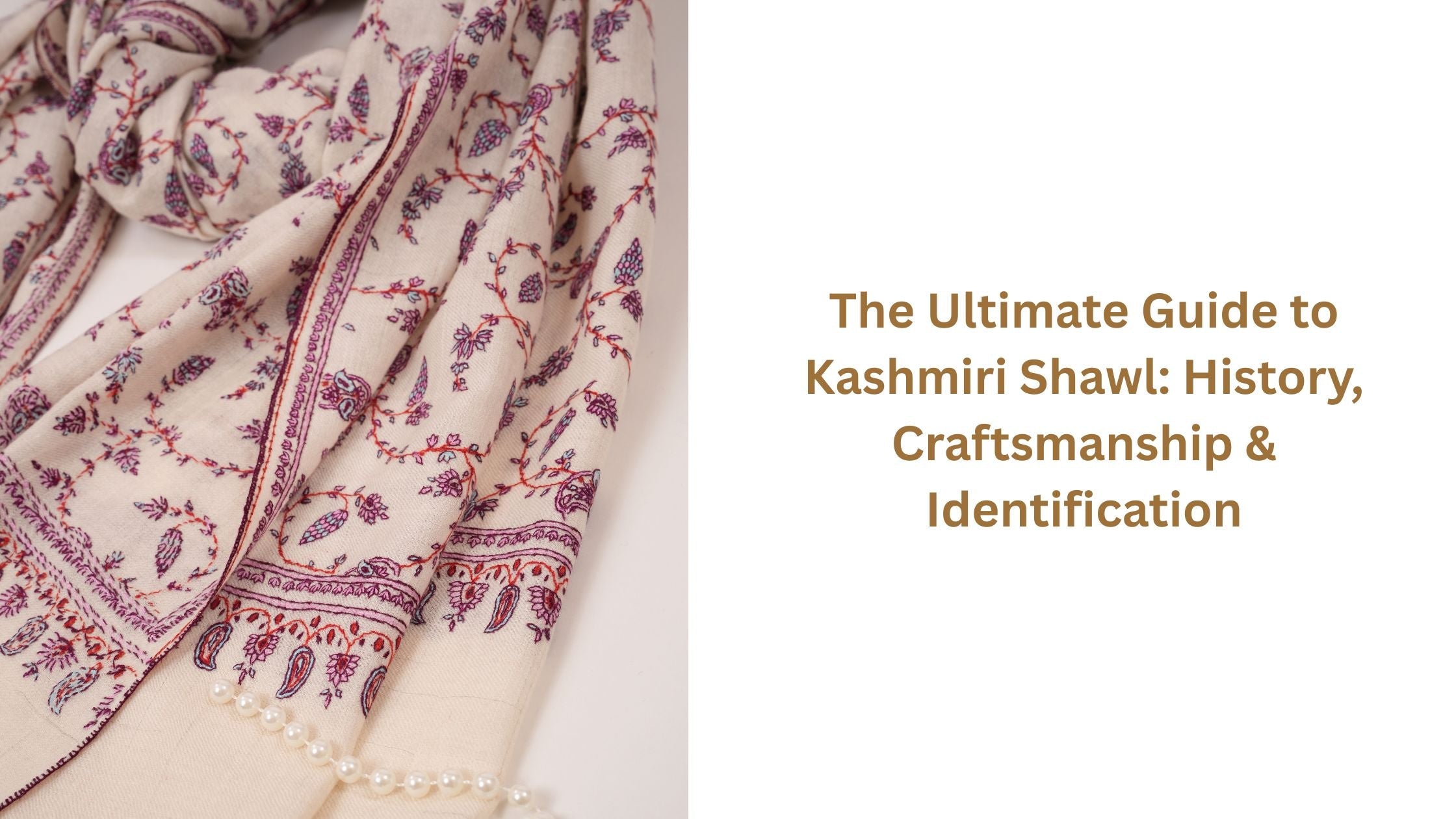
Unlike standard woolen or silk scarves, Kashmiri shawls feature painstaking hand embroidery or tapestry weaving, creating delicate floral and paisley patterns that are nearly impossible to replicate by machine. Their ultrafine fibers offer unparalleled softness and warmth, combining both comfort and elegance. This uniqueness makes them highly sought by collectors, fashion enthusiasts, and anyone valuing heritage craftsmanship. For those interested, similar softness and hand embroidery are showcased in a soft Indian cashmere scarf highlighting artisanal techniques.
The appeal extends beyond Kashmir, as global consumers prize Kashmiri shawls for their timeless style and artisan-crafted authenticity. For users looking to invest in an authentic piece, understanding the shawl’s origins and craftsmanship is essential to distinguish genuine works from imitations.
Historical Evolution of the Kashmiri Shawl
Origins and Early Development
Kashmiri shawls trace their roots back to ancient times, with the earliest mentions found in 3rd-century BC references and local folklore chronicling artisan families dedicated to weaving. By the 13th century, the art of shawl creation had gained significant stature in Kashmir, evolving from simple wool wraps to elaborately woven textiles symbolizing status and opulence within the region.
The artisan heritage was deeply embedded in local communities, with weaving techniques and motifs passed down through generations. The environment of Kashmir, especially the availability of fine wool from native goats, complemented the evolution of this textile craft into a distinctive tradition.
Mughal Era Influence and Royal Patronage
The craft reached a zenith during Mughal rule, when emperors like Akbar and Shah Jahan recognized the shawl’s cultural and political significance. These rulers not only patronized Kashmiri artisans but also made these shawls integral gifts among the elite. Such royal endorsement elevated the shawl’s status to a coveted symbol of power and refinement.
Akbar established workshops and encouraged intricate weaving, while Shah Jahan’s reign saw the introduction of embroidery enhancements that refined patterns and designs. These contributions fostered innovations that persist in Kashmiri weaving today.
Adoption and Popularity in the Western World
By the late 18th century, Kashmir shawls had crossed into Europe through trade and colonial interactions. Their softness and exquisite patterns captivated Western high society, sparking a fashion trend that endured for decades. Empress Joséphine of France famously adorned them, contributing significantly to European fascination with the shawls.
In Britain, Queen Victoria's obsession with Kashmiri scarves helped cement their status as luxury items, often featured in portraits and court events. These endorsements led to attempts to imitate the shawls in Europe, spawning local industries eager to mimic the intricate designs. Key historical moments included import bans and subsequent preservation efforts aimed at protecting the authentic craft and its artisan communities in Kashmir.
Materials Used in Kashmiri Shawls
Shahtoosh Wool: The Finest Fiber
Shahtoosh, derived from the Tibetan antelope’s undercoat, is regarded as the rarest and finest fiber ever used in Kashmiri shawls. Its exceptional warmth and ethereal softness make it prized, but the wool’s sourcing has raised serious ethical and legal concerns. Today, international bans prohibit shahtoosh trade due to endangered species protection, making genuine shahtoosh shawls highly restricted and valuable collectors’ items.
Pashmina Wool: Craftsmanship and Softness
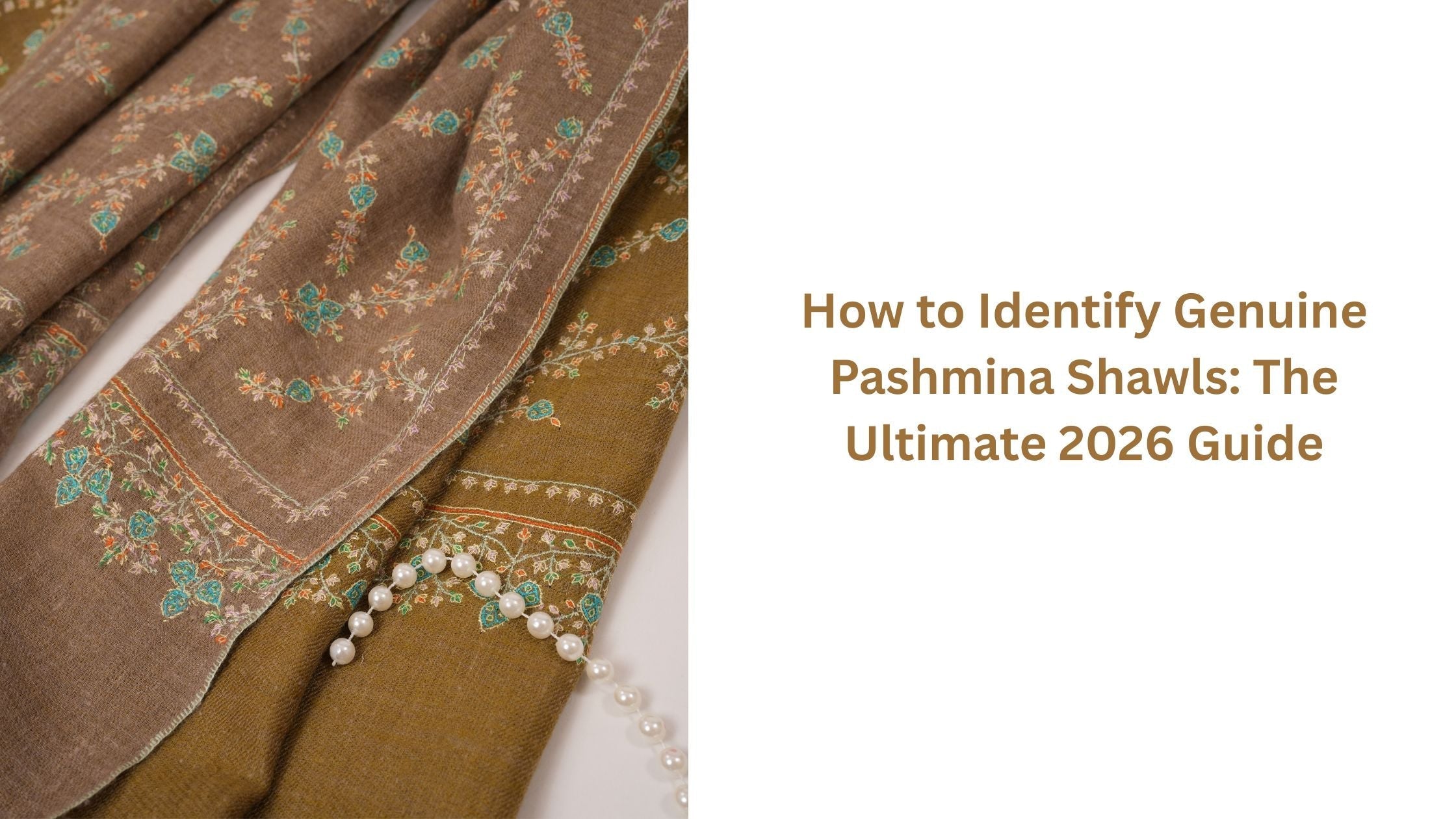
Pashmina wool comes from the Changthangi goats native to the high-altitude regions of Ladakh. Unlike general wool, pashmina fibers are finer, softer, and rarer, lending to the shawls’ featherlight and breathable qualities. The collection process involves combing the goats during cold months to harvest the delicate undercoat carefully, which is then spun and woven using traditional artisan skills.
Normal Wool vs Pashmina: Understanding the Difference
Wool refers broadly to fine fibers from various breeds of sheep and goats worldwide, whereas pashmina is a specific variety of cashmere with finer fiber diameter, typically between 12-15.5 microns. This distinction affects softness, warmth, and price. Pashmina shawls are often associated with greater exclusivity and delicate craftsmanship, although both fibers are prized in luxury textiles. For comparisons on similarly fine hand-embroidered wraps, consider the details highlighted in a hand embroidery cashmere scarf.
While wool shawls are more widely available, authentic Kashmiri pashmina retains premium status due to its source and weaving traditions.
| Fiber Type | Origin | Fiber Diameter (Microns) | Softness | Legal Status |
|---|---|---|---|---|
| Shahtoosh | Tibetan Antelope | Approx. 7–9 | Extremely Soft | Banned (Endangered Species) |
| Pashmina | Changthangi Goats (Himalayan Region) | 12–15.5 | Ultra Soft | Legal and Ethical |
| Wool | Various Goats Worldwide | 15–19 | Soft | Legal |
Traditional Craftsmanship and Weaving Techniques
Kani Shawls: The Art of Tapestry Weaving
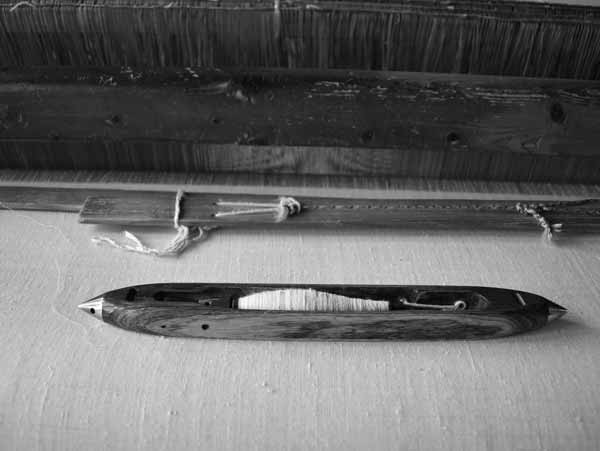
Kashmiri artisans employ the intricate Kani weaving method to create some of the most admired shawls. Originating from the Kashmir, this technique uses small wooden sticks called 'kanis' to weave discontinuous wefts that build complex patterns yarn by yarn. This painstaking process allows artisans to render highly detailed designs far beyond the capabilities of simpler looms.
Each Kani shawl can take months to complete, depending on the complexity and size, reflecting the painstaking attention to detail and supreme skill inherent in the craft.
Design Motifs and Pattern Techniques
Motifs such as the iconic buta (paisley), floral arabesques, and delicate foliage are staples of Kashmiri shawl design. These motifs often feature perfect symmetry and are meticulously crafted on both sides of the shawl, demonstrating artistic mastery.
The patterns are not mere decoration but carry symbolic meanings sometimes tied to nature, spirituality, or social status. Artisans must maintain balance and harmony in colors and forms, ensuring the shawl’s aesthetic appeal from every angle.
Types and Styles of Kashmiri Shawls
Jamawar Shawls
Jamawar shawls, often notable for their extensive embroidery and opulent patterns, represent a royal style traditionally favored by Indian nobility.
Their weaving patterns are intricate and dense, usually combining floral motifs with geometric precision, symbolizing the apex of luxury within Kashmiri textiles.
Paisley Shawls and Global Influence
The buta motif evolved into what is widely known as the paisley design in Europe, named after the town in Scotland that produced shawl imitations during the 19th century. While inspired by Kashmiri originals, Paisley shawls were machine-made versions that became fashionable across Europe and America.
This diffusion indicated both the influence and commercial appeal of Kashmiri artistry, although authentic handwoven shawls remain unmatched in detail and quality.
How to Identify Authentic Kashmiri Shawls
Material Verification Techniques
Ensuring that a Kashmiri shawl is authentic starts with assessing its material. Genuine pashmina feels featherlight, almost melting upon touch, unlike coarser wool blends. A simple burn test can help distinguish animal fibers from synthetics: natural fibers smell like burnt hair and leave soft ash, whereas synthetics produce a plastic smell.
Microscopic fiber analysis, though more specialized, confirms fineness and fiber origin, crucial for high-end purchases.
Weaving and Pattern Authenticity
Examining the weave density and pattern clarity is vital. Authentic Kani shawls exhibit high knot density and precise, symmetrical motifs visible on both sides. Machine-made or mass-produced shawls often lack this dual-sided detail and may show inconsistencies in design.
Additionally, the finishing touches such as hand-made fringes and smooth edging offer clues about authenticity.
Certificate of Authenticity and Trusted Sellers
Reputable Kashmiri shawls usually come with certifications from recognized artisan cooperatives, guaranteeing handwoven quality and origin. Buyers should prioritize sourcing from verified brands or certified platforms, reducing the risk of counterfeit products. For those interested in current artisan-quality products, new arrivals from trusted sources offer a glimpse into ongoing Kashmiri craftsmanship.
Asking detailed questions about the shawl’s provenance, fiber type, and production methods can further assist in confirming authenticity and long-term value.
Care and Maintenance of Kashmiri Shawls
Preserving a Kashmiri shawl’s delicate fibers demands attentive care. Improper washing, rough handling, or poor storage can erode softness and detail over time. Dry cleaning by specialized professionals is recommended for heavily soiled items, while gentle hand washing with mild detergents suits regular upkeep.
When storing, shawls should be wrapped in breathable cotton cloth and kept away from direct sunlight or dampness to prevent fiber damage and color fading. Avoiding moth exposure with natural repellents or sealed containers helps maintain integrity.
Regular airing and occasional professional repairs for pulled threads or fringe wear can extend a shawl’s lifespan, preserving both its beauty and value.
Buying Guide: Choosing the Right Kashmiri Shawl for You
Start by clarifying why you seek a Kashmiri shawl. Is it for elegant everyday warmth, a collector’s treasured piece, or an exquisite gift? Your purpose influences choices about fiber type, design intricacy, and price range.
Set a budget accommodating genuine materials and artisan craftsmanship; high-quality pashmina shawls command premium prices owing to labor intensity and fiber rarity. Consider the size you prefer—larger shawls offer versatile styling options but may cost more.
Ask sellers about origin certifications, fiber testing, and weave methods. Request detailed photos or videos to assess motifs and finishing. Trusted sellers will offer transparent information and proofs of authenticity, ensuring confident purchases.
Kashmiri Shawl in Modern Fashion and Culture
Today, Kashmiri shawls continue to inspire contemporary designers who incorporate traditional motifs and techniques into modern silhouettes. They serve as cultural statements honoring centuries of artisan heritage while fitting seamlessly into global luxury markets.
Despite challenges posed by industrial mass production and declining artisan numbers, renewed consumer interest in sustainable, certified craftsmanship offers hope for preserving this timeless legacy. The shawl remains a symbol of elegance, warmth, and cultural pride.
Embracing the Legacy of Kashmiri Shawls
Authentic Kashmiri shawls offer more than warmth; they embody centuries of cultural storytelling, craftsmanship, and artistry. Whether selecting a pashmina for daily grace or an exclusive Kani masterpiece as a collector’s jewel, understanding their rich history and material subtleties empowers buyers to make informed choices. By valuing certified authenticity and mindful care, enthusiasts ensure these featherlight treasures continue to adorn generations with their unmatched beauty and heritage.


Leave a comment
This site is protected by hCaptcha and the hCaptcha Privacy Policy and Terms of Service apply.