
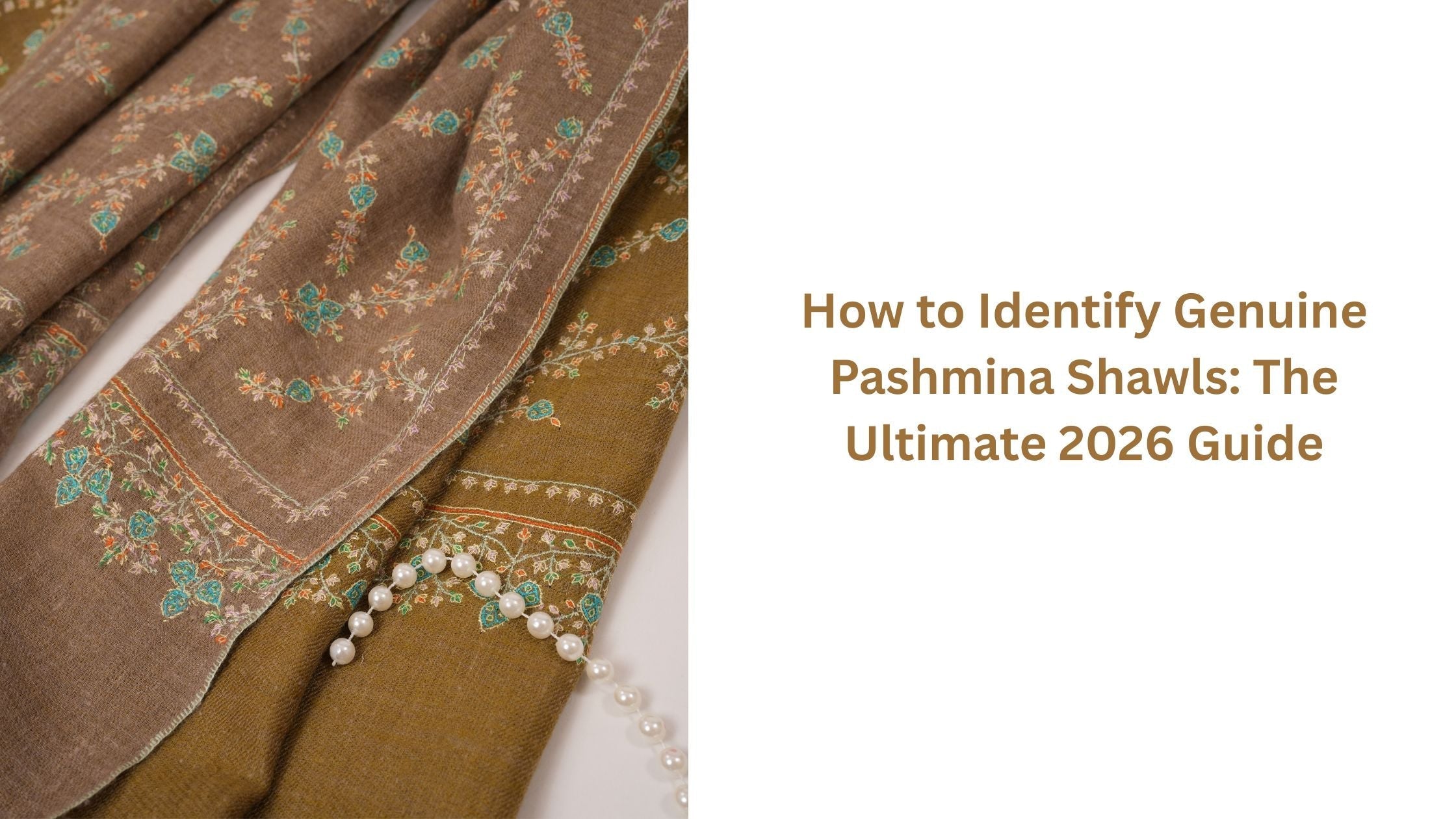
Genuine pashmina shawls stand apart in the world of textiles, drawing admiration for their unmatched softness and timeless elegance. However, the market is flooded with copies claiming to be authentic. Understanding how to identify if the pashmina shawl being considered is genuine helps ensure buyers invest in quality that retains value and heritage. This guide explores the origins, making processes, and practical ways to distinguish genuine pashmina from imitations, empowering informed selection for both everyday use and special occasions.
What Is Genuine Pashmina?
Genuine pashmina originates from the fine undercoat fibers of the Changthangi goats found in the high-altitude regions of Himalayas. These goats produce an exceptionally soft and warm fleece called "pashm," harvested during molting season by combing the animals gently by hand. This delicate fiber sets pashmina apart from other wools.
Historically, pashmina shawls have held cultural and regal significance, cherished for centuries across South Asia and beyond as symbols of luxury and refined taste. Their handwoven intricacy and natural warmth made them prized heirlooms within royal courts and among coveted social classes.
The rarity of the fiber combined with labor-intensive harvesting and artisan craftsmanship positions genuine pashmina as a true luxury textile, valued not only for warmth but also for its cultural heritage and exclusivity. Explore our collection of authentic Kashmiri Pashmina Kani shawls for examples of this heritage craftsmanship.
How Genuine Pashmina Shawls Are Made
The creation of an authentic pashmina shawl begins with traditional hand-spinning, where skilled artisans spin the precious pashm fibers into fine yarn using spinning wheels. Following this, the yarns undergo hand-weaving on traditional looms, a process that can take several weeks or months depending on the complexity.
Master craftsmanship from Kashmir’s artisans plays a crucial role — each shawl reflects hours of dedication, intricate weaving techniques, and a commitment to preserving centuries-old methods. This contrasts sharply with machine-made imitations, which lack the nuanced texture and subtle irregularities only possible through hand weaving. Browse fine examples in our premium pashmina and cashmere shawls collection.
The hands-on making process influences the shawl’s authenticity by ensuring its quality, durability, and the featherlight softness that machine production cannot replicate effectively. This artisanal value is inseparable from the genuine pashmina experience.
Difference Between Pashmina and Cashmere
While often used interchangeably globally, pashmina and cashmere hold unique regional identities. In India, the term "pashmina" specifically refers to the fine undercoat of the Changthangi goats. Internationally, this fiber is commonly known as "cashmere," a name derived from Kashmir, the region where this luxurious wool was historically sourced.
The terminology sometimes causes confusion—some consider cashmere a broader category of soft goat wool, while pashmina refers to a finer, more exclusive subset. The name cashmere emerged in the 19th century when British traders introduced the fabric to western markets, linking it to its geographic origin.
To illustrate, think of pashmina shawls as a high-grade type of cashmere, renowned for exceptional softness and handwoven techniques specific to Kashmir’s skilled artisans, setting it apart from generic cashmere scarves mass-produced elsewhere. For a detailed look, consider our Indian cashmere pashmina shawls and wraps.
Key Physical Characteristics of Genuine Pashmina Shawls
Genuine pashmina shawls carry a luxuriously soft touch, combining warmth with a distinctive natural texture. The fabric feels incredibly lightweight yet offers remarkable insulation, making it breathable and comfortable for varied climates.
The finely spun fibers display a subtle nap or fuzziness unique to pashmina, giving the shawl a delicate fluffiness without bulk. Additionally, the natural elasticity imbued by pure pashmina makes it resilient, allowing the fabric to regain shape and maintain surface integrity even after extended use.
Simple Tests to Identify Genuine Pashmina
The Touch Test
Begin by running fingers gently across the shawl surface, noting the softness and warmth. Genuine pashmina feels delicate yet substantial, different from the plasticky or coarse touch of synthetic alternatives. Its texture should reveal a fine nap that slightly raises underwards, a feature absent in machine-made imitations.
Unlike synthetic fabrics, genuine pashmina retains warmth at the touch, thanks to its natural insulation. The fabric should feel breathable, not sticky or overly smooth, revealing the natural fiber’s characteristics through tactile inspection.
The Burn Test
To safely perform a burn test, carefully snip a tiny fiber from an inconspicuous edge of the shawl and ignite it over a nonflammable surface like ceramic. Observe how the fiber burns: genuine pashmina fibers will catch fire slowly, emit a natural burnt hair smell, and produce a fine, black ash that crumbles easily.
In contrast, fake pashminas made from synthetic or mixed fibers generally melt quickly with a chemical or plastic odor and leave behind hard, glossy residue. If a seller refuses this simple test or becomes defensive, it’s a red flag signaling possible inauthenticity.
Visual Inspection Techniques
Examining the Weave
Look closely at the shawl’s weave pattern, which should display slight irregularities indicative of handwoven craftsmanship. These imperfections provide a sense of uniqueness and confirm manual production.
Machine-made pashmina shawls tend to have perfect, uniform weaves without variation. Spotting this uniformity suggests mass manufacturing and reduced authenticity.
Checking the Fringes
Fringes are telling details: genuine pashmina shawls have short, natural-looking fringes resulting from hand-finishing, while long, thick tassels often signify machine-made or lower-quality products.
Mater artisan Stitch
Also check for a master artisan’s stitch at the shawl corners, which indicates hand-touch and quality control. This subtle stitch often goes unnoticed but is a mark of genuine craftsmanship.
How to Check Pashmina Purity Without Tests
Besides physical tests, examining certifications such as those verifying fiber authenticity or geographic origin adds confidence. Buyers should research sellers’ backgrounds and ensure transparency regarding product provenance.
Since genuine pashmina demands higher labor and material costs, prices below market norms often signal possible adulteration. Always seek detailed product descriptions explaining fiber source, weaving method, and artisan involvement to better assess purity without direct testing.
Understanding the Price and Value of Genuine Pashmina
Owning authentic pashmina is an investment reflecting intensive labor and rare high-altitude fibers. Prices commonly range from several hundred to thousands of dollars depending on weave complexity, size, and artisan pedigree.
Buyers should remain wary of unusually low prices, which almost always correspond to fakes or blends. The true value of pure pashmina lies in its durability, warmth, and heirloom quality that grows with time.
Common Mistakes to Avoid When Buying Pashmina Shawls
Impulse buying without verification often leads to disappointment, especially in markets saturated with fake pashminas. Avoid products that feel excessively smooth or plasticky but claim to be pure pashmina.
Purchasing from unverified sources increases risks significantly. Whenever possible, request physical tests or certification proofs, and don’t hesitate to ask sellers about the origin and craftsmanship details.
Why Buying Handwoven Pashmina from Kashmir Matters
Kashmir’s artisans bring generations of experience to every shawl, intertwining cultural heritage with hand weaving traditions that cannot be replicated elsewhere. Supporting these skilled craftspeople sustains sustainable, ethical production and preserves a precious art form. Discover the artistry behind Kashmiri Pashmina Jamavar shawls known for their rich embroidery and heritage.
Handwoven pashmina shawls embody not only warmth and elegance but also a connection to timeless Kashmiri craftsmanship, enriching the value of every purchase beyond the fabric itself.
FAQs About Genuine Pashmina Shawls
How to tell if it's a real Pashmina?
To identify real pashmina, feel the softness and warm touch, examine the weave for handwoven irregularities, inspect fringes for natural finishing, and consider performing a burn test. These combined checks help confirm authenticity.
How much is real Pashmina worth?
Real pashmina typically ranges from a few hundred to several thousand dollars depending on size and craftsmanship. Prices well below market averages generally indicate imitation or blends.
How to check Pashmina purity?
Checking pashmina purity involves certified authenticity proofs, buying from trusted sellers, physical tests like touch and burn tests, and verifying clear product provenance and descriptions.
Final Tips for Making a Confident Genuine Pashmina Purchase
Take time to research brands and compare products carefully before buying. Favor reputable dealers who openly disclose fiber origins and showcase artisan involvement. Asking detailed questions and requesting testing options further reduces risks.
Investing in a genuine pashmina shawl is more than a fashion choice — it’s an appreciation for heritage craftsmanship and a rewarding experience that brings luxurious warmth and timeless style for years to come.

Hinterlassen Sie einen Kommentar
Diese Website ist durch hCaptcha geschützt und es gelten die allgemeinen Geschäftsbedingungen und Datenschutzbestimmungen von hCaptcha.